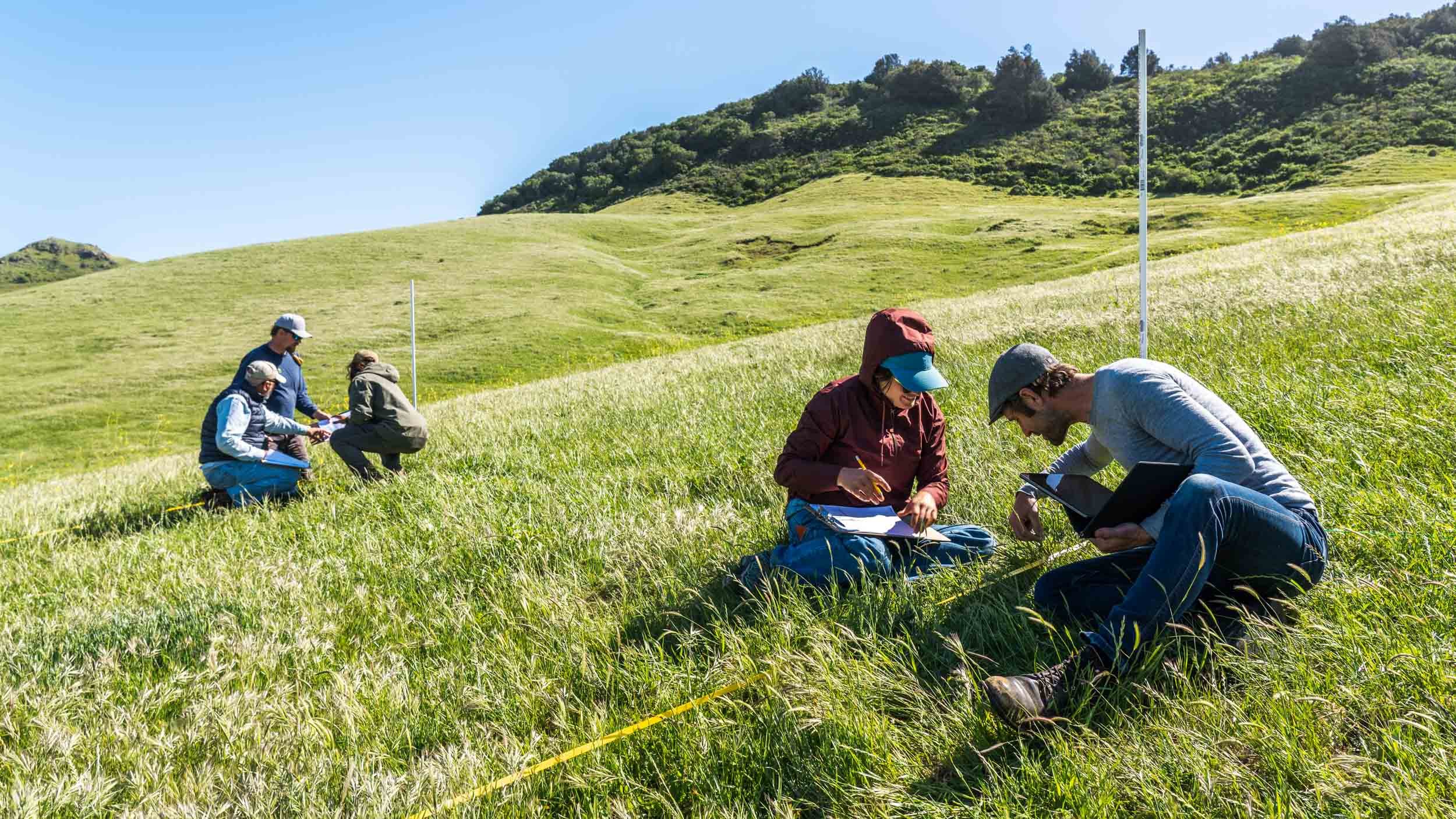
By learning to read the land, we can turn observation into insight—and insight into informed stewardship that supports the health of living systems.
This two-day immersive course equips farmers, ranchers, conservation professionals, and agricultural practitioners with practical ecological monitoring tools that inform real-world land management decisions.
Grounded in our living laboratory at Jalama Canyon Ranch, participants will move between classroom learning and field-based practice to build confidence in measuring soil health, vegetation dynamics, water function, and biodiversity. This course introduces applied monitoring methods that are practical, repeatable, and designed to support day-to-day land management decisions.
Beyond technical skills, this workshop connects you to a broader movement of individuals dedicated to learning from the land and letting it guide their stewardship practices.
Why Monitor?
Monitoring helps us understand how land is functioning over time, providing valuable insights into how we can support its health.
By observing changes in soil, water, vegetation, and biodiversity, land stewards can make more informed decisions about grazing, cropping, and restoration—supporting both ecological health and the long-term productivity of crops, animals, and working landscapes.

Lead Facilitators
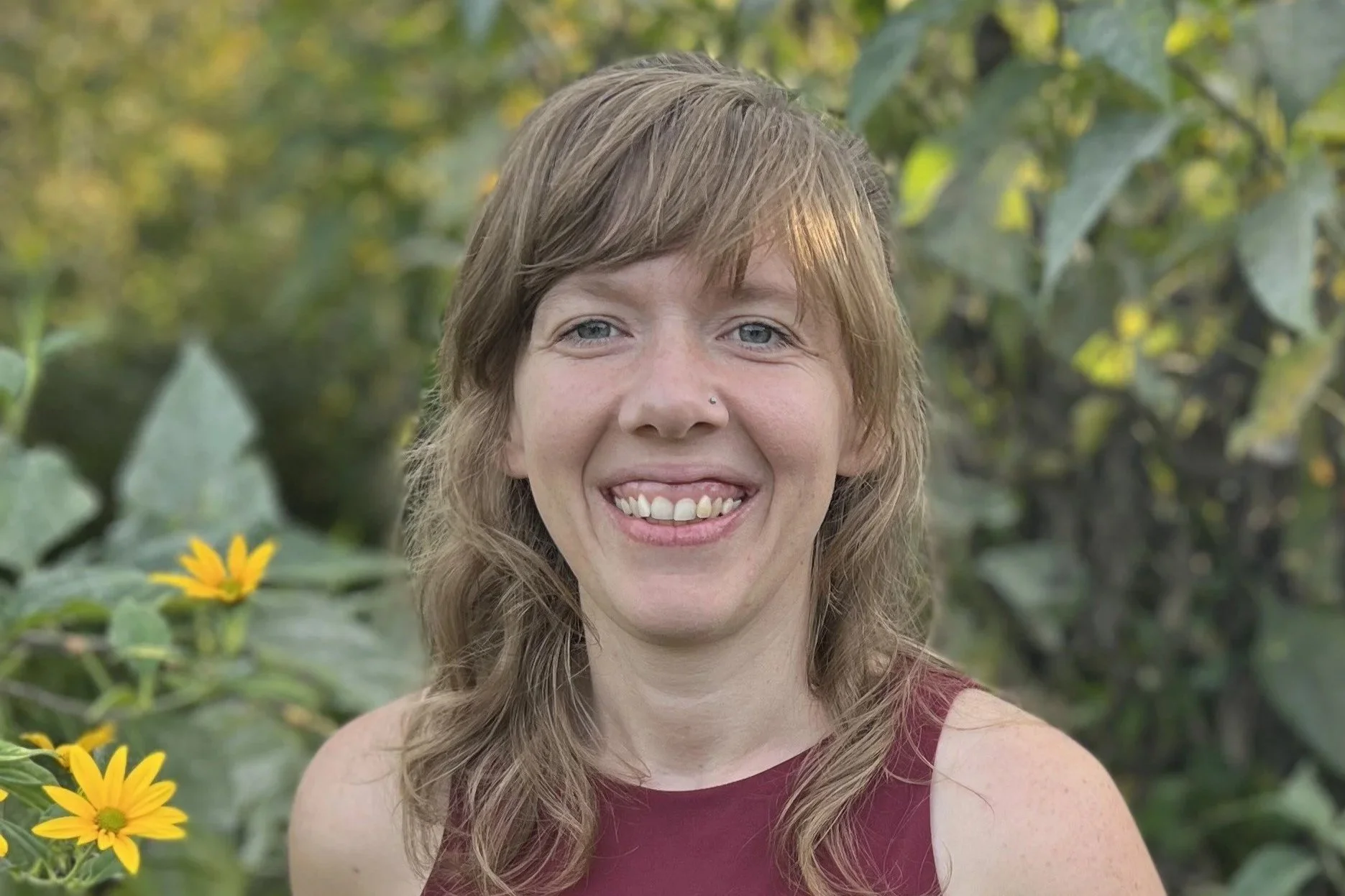
Lisa Eash, PhD (she/her)
As Senior Soil Scientist at Point Blue, Lisa facilitates the development and expansion of the Agricultural Conservation Monitoring Program, working to understand how conservation practices can be used to meet producer and policy goals. She also combines monitoring datasets with biogeochemical models to estimate region-specific, long-term practice impacts that help inform management decisions.
Lisa is a soil ecologist by training with expertise in climate-smart agriculture, agro-ecosystem modeling, international agricultural conservation programs, and stakeholder engagement. Prior to Point Blue, she worked for agricultural nonprofits in Central America, received her PhD from Colorado State University, and served as a postdoctoral researcher at the Yale School of the Environment. She is passionate about advancing our understanding of conservation practice benefits in close collaboration with producers, with the aim of improving soil health and building environmentally and economically resilient agro-ecosystems.
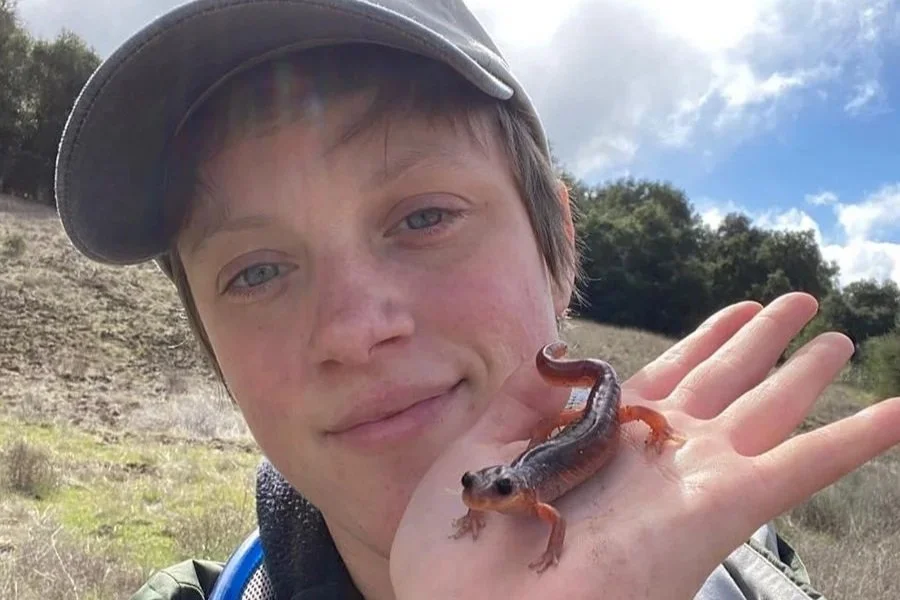
Avalon Cook (she/they)
As Conservation Monitoring Ecologist with the Soil Research and Conservation Program at Point Blue, Avalon’s work focuses on developing and implementing rigorous, accessible monitoring plans for assessing the impact of conservation practices. She spends her time studying the biomass, soil, and water impacts of commonly recommended practices and the most effective and practical ways to measure meaningful change over time. Whether a program or land steward’s goal is to publish a scientific paper, demonstrate suitability for certifications, or validate land ethic claims for marketing, she works to tailor the latest science to the task. When Avalon isn’t designing projects, sampling in the field, or processing in the lab, she works with her teammates to harmonize data across projects for scientific discovery around the regional effectiveness of conservation, providing meaningful context for land stewards.
Avalon completed a B.S. in Conservation and Resource Studies at U.C. Berkeley, contributing to projects focused on the genetics of amphibian disease, rangeland management, and spatial data analysis. She then dove into ornithology spending her early career studying acorn woodpeckers, blackbirds, and waterfowl habitat. Avalon came to Point Blue as a technician in 2022, excited to contribute to a project designed to evaluate the impact of habitat restoration projects on rangelands across California.
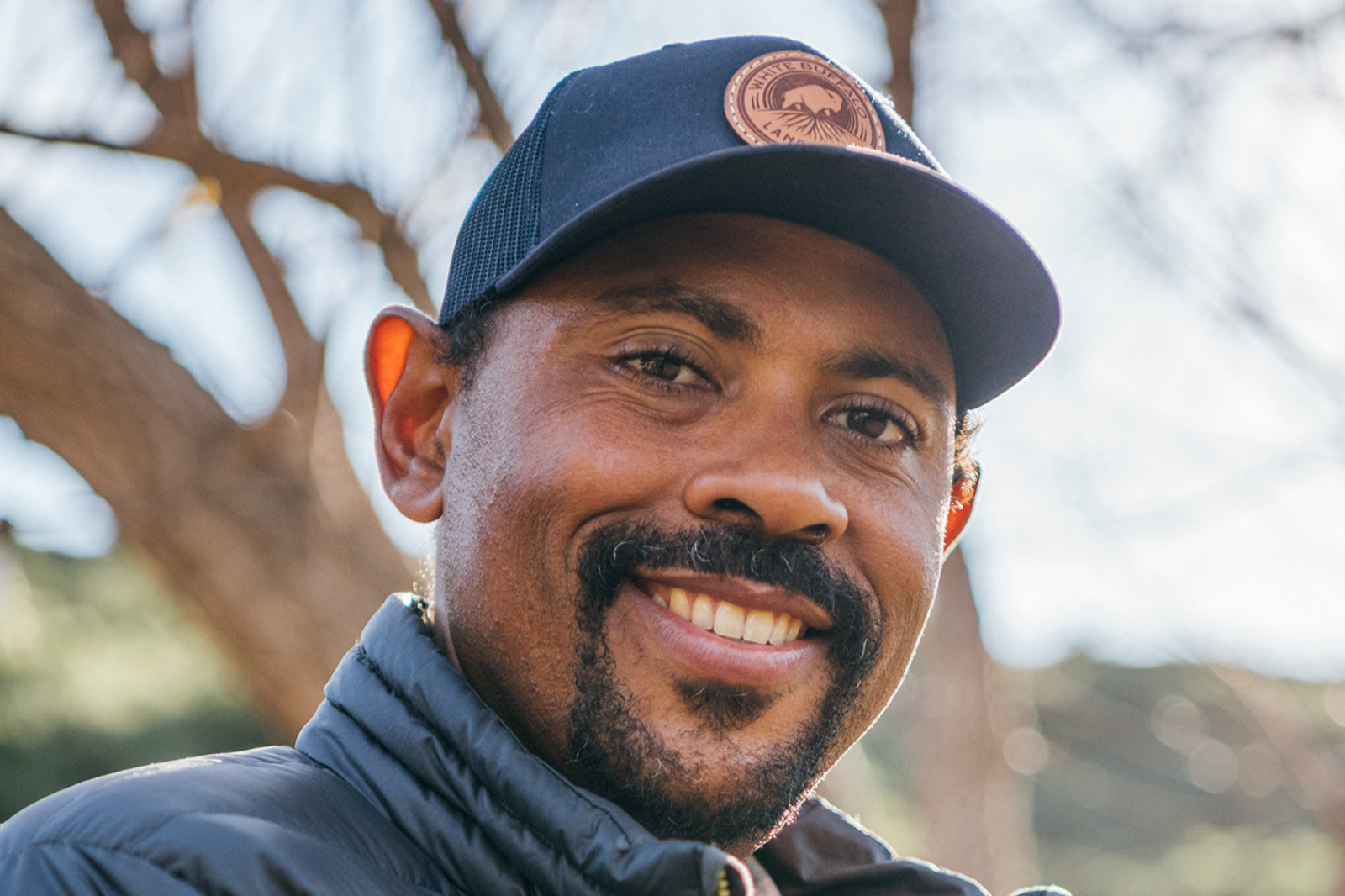
Jesse Smith (he/him)
White Buffalo Land Trust
As Director of Land Stewardship at White Buffalo Land Trust, Jesse guides the development of the Jalama Canyon Ranch and collaborates with local and global leaders to broaden the positive impact of regenerative agriculture on our soil, our health, and our communities.
His passion and expertise in agricultural system design and community engagement are a cornerstone of our strategy to achieve a systemic shift towards a regenerative food economy and ecology.
Workshop Details
Duration: Two full days (9:00 AM–4:00 PM)
Format: A mix of lectures, field walks, and hands-on monitoring
Meals: A nourishing lunch is provided both days
Optional: Overnight camping available on site for $25 (Saturday night only)
Cost: $475 USD — includes instruction, materials, and locally sourced lunches each day.
Limited scholarships are available. FOR INQUIRIES & QUESTIONS, PLEASE CONTACT OUR PROGRAMS TEAM AT PROGRAMS@WHITEBUFFALOLANDTRUST.ORG